


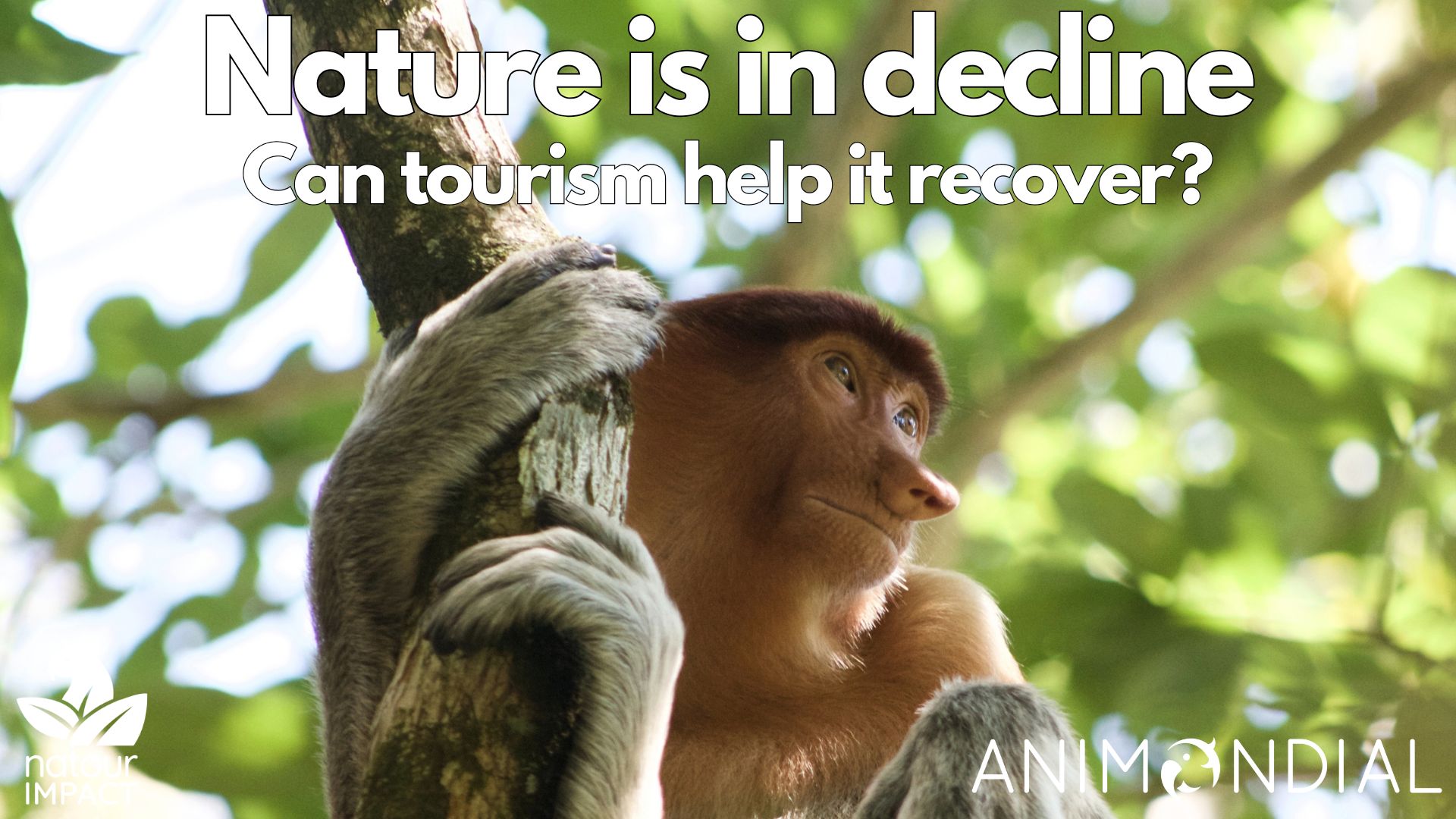
09 Oct Nature is in decline – Can tourism help it recover?
The Living Planet Report 2026 delivers a stark warning about the state of nature. Yet evidence of wildlife recovery shows that change is possible. Tourism can help turn that hope into action – and become a true Guardian of Nature.
Think about why we travel
To see wildlife in its natural habitat. To explore ancient forests, swim in clear waters, walk along unspoilt coastlines or experience landscapes that are unlike anywhere else on Earth.
Nature is not simply the backdrop to these experiences; it is often the reason we choose a destination in the first place. Its ecosystems sustain the landscapes we admire, the wildlife we encounter and the clean air and water we depend on.
Nature under threat
But the natural environment that underpins so much of what we take for granted, and makes these destinations so special, is under increasing pressure.
The Living Planet Report 2026 reveals that monitored vertebrate wildlife populations have declined by an average of 73% since 1970, rising to 95% in Latin America and the Caribbean and 85% in freshwater habitats.
These figures reflect the average change in population sizes across mammals, birds, fish, reptiles and amphibians – conveying the mounting pressures of habitat loss, overexploitation, climate change and other drivers of nature loss.
We must take these findings seriously
When nature declines, so too does the natural infrastructure we depend on – threatening food and water security, increasing operational costs and leaving businesses and whole countries more vulnerable to climate shocks. For tourism, the connection is especially clear: the long-term health of the industry depends on the health of the ecosystems, which underpin not only the appeal and resilience of destinations, but also the future of the businesses that operate in them.
But there is hope
The Living Planet Report 2026 also highlights evidence that wildlife populations can recover. Tigers, green marine turtles and bluefin tuna – all of which have faced the threat of extinction – have shown signs of recovery where coordinated conservation efforts have helped reverse their decline. These successes demonstrate that, with sustained and targeted action, nature can recover.
The challenge now is to build on these successes and scale up action, addressing not only the symptoms of nature loss but also the activities and economic systems driving it. Tourism has a real opportunity to contribute to this transformation: helping shift how we value, manage and invest in nature, and becoming a true Guardian of Nature.
Nature Positive Tourism (NPT) provides a practical way forward
NPT helps tourism businesses and destinations understand their relationship with nature – assessing their impacts, dependencies, risks and opportunities – so they can identify where action is most needed and focus their efforts and investment where they can make the greatest difference.
By taking responsibility for their impacts and using their influence, investment and reach to support the protection and recovery of nature, tourism businesses can help secure both nature’s future and their own.
Every destination is different.
The ecological pressures facing a water-stressed island are not the same as those affecting a forest destination, a mountain resort or a sensitive marine environment. Understanding the state of nature in the places where tourism operates is therefore essential to identifying the right priorities and actions.
By grounding decisions in local ecological conditions, NPT can help ensure that tourism’s contribution responds to what nature actually needs – rather than relying on a one-size-fits-all approach.
Beyond the rhetoric
Good intentions and generic sustainability commitments are not enough. Tourism needs to use the best available Nature Intelligence, operational knowledge and local expertise to understand its relationship with nature, identify where action is most needed and direct investment where it can make the greatest difference.
This is not about waiting for perfect data or adding another layer of reporting. It is about making better decisions – across operations, supply chains and destinations – that address environmental impacts and support nature’s recovery.
This is the opportunity behind Nature Positive Tourism: to move beyond simply reducing harm and align tourism’s success with the protection and restoration of the natural world. At ANIMONDIAL, we are working to translate nature-related evidence into practical decisions that help businesses and destinations make this ambition a reality.
Heeding the warning
The Living Planet Report 2026 delivers an urgent warning, but evidence of wildlife recovery reminds us that change is possible when we act with determination and address the causes of nature loss. Tourism cannot reverse biodiversity loss alone, but it can make a meaningful contribution through the choices it makes, the investment it directs and the influence it brings to destinations around the world.
Hope is not a reason to wait.
It is a reason to act.
The opportunity is to put nature at the heart of tourism planning and investment, making its protection and recovery fundamental to the sector’s long-term success. Because the future of tourism depends on the future of destinations.
Nature is the destination. Tourism has the opportunity – and the responsibility – to help protect it.
Daniel Turner, ANIMONDIAL
Find out more …
- Where can tourism businesses begin? ANIMONDIAL has shared practical guidance to help businesses take the first steps – from learning how to start protecting and restoring nature, to assessing nature-related risks and dependencies and understanding impacts and opportunities. Together, these provide a starting point for turning nature ambition into informed decisions and meaningful action.
- Read WWF’s Living Planet Report 2026 and its key findings.