


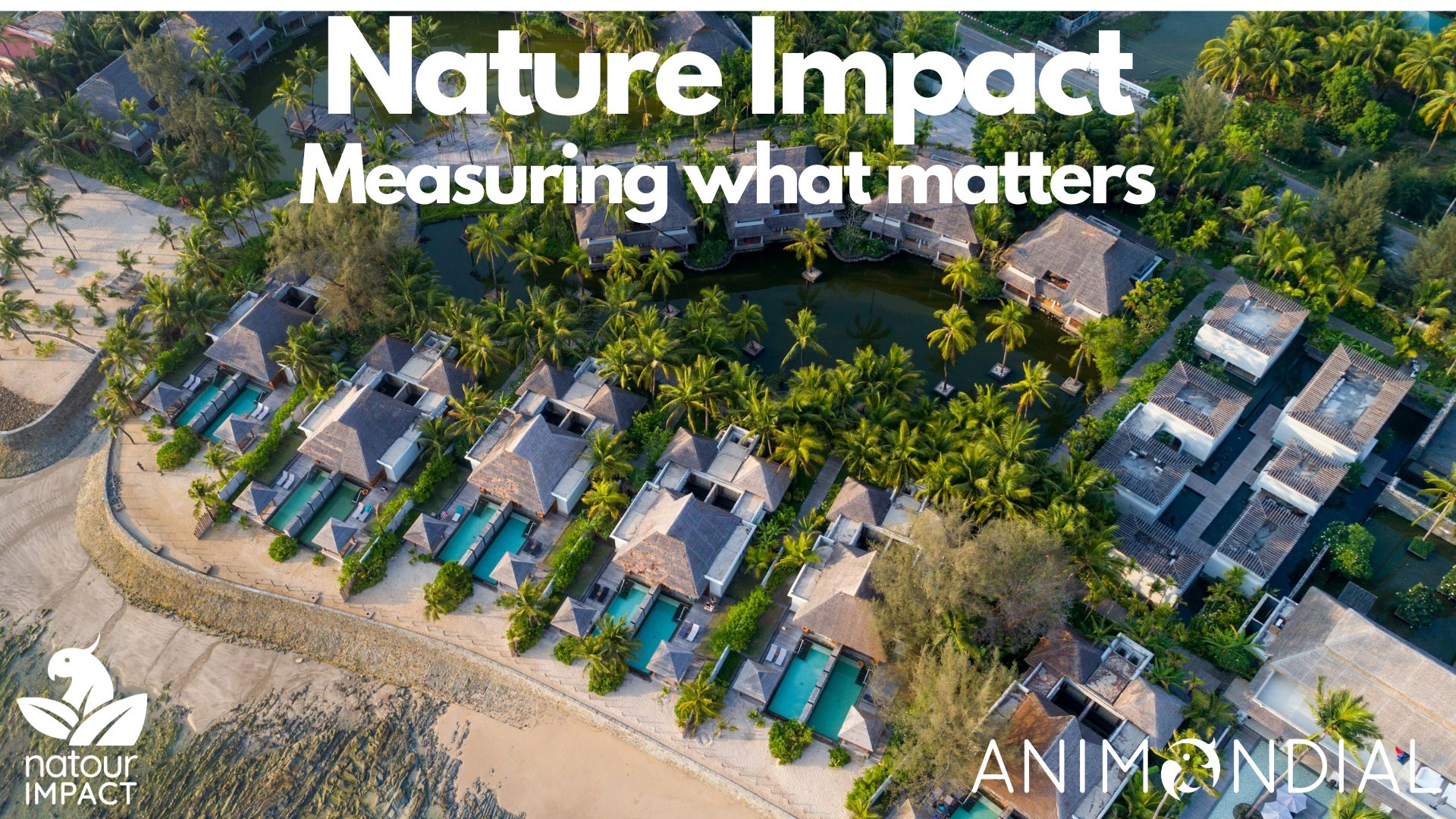
17 Jul Nature Impact – Measuring What Matters
Understanding how your business interacts with nature is the first step towards reducing nature-related risk and taking action to protect and restore nature.
Nature underpins every business. It provides the resources, ecosystem services and environmental conditions that enable economies and societies to function and thrive – from freshwater and food production to climate regulation, healthy soils and coastal protection.
For tourism, this relationship is particularly essential. Businesses depend on landscapes, oceans, wildlife, clean water and resilient destinations to deliver the experiences that customers value. However, the same activities that rely on nature can also contribute to its decline.
Understanding your business’ relationship with nature is therefore increasing important – not only to support sustainability, but to also identify and manage business risks. As nature declines, businesses are likely face supply chain disruptions, rising costs, and regulatory pressures that can affect long-term resilience and profitability.
To identify your nature-related risks, you must understand your dependencies and impacts
How does your business depend on nature?
These are the natural resources and ecosystems that enable your operations, such as:
- freshwater availability;
- healthy marine environments;
- productive soils and food systems;
- climate regulation;
- natural landscapes that support tourism experiences.
How do your operations and activities impact nature?
How your business and its value chains contribute to changes in biodiversity and ecosystem health*, such as:
- Land and sea use change – The conversion, degradation or fragmentation of habitats through activities such as infrastructure development, agriculture and coastal development.
- Direct exploitation of natural resources – The unsustainable extraction or use of biological resources, including fishing, forestry and wildlife exploitation.
- Climate change – Changing temperatures, weather patterns and extreme events that disrupt ecosystems and species survival.
- Pollution – Including plastics, chemicals, wastewater, noise and other contaminants that degrade ecosystems.
- Invasive species – Non-native species that disrupt ecosystems and threaten native biodiversity.
* The Intergovernmental Science-Policy Platform on Biodiversity & Ecosystem Services (IPBES) identifies five major direct drivers of biodiversity loss.
All sectors contribute to these pressures, but the type and scale of impacts depend on how a business operates, where it operates and the activities within its value chain.
Why measuring impacts matters
A common misconception is that broad sustainability commitments alone will address nature loss. However, unlike carbon emissions, many nature impacts are highly location-specific and depend on local ecological conditions.
A hotel, airline, cruise company, tour operator or visitor attraction each interact with nature differently. A tour operator may have limited direct impacts from its office operations, but its products rely on a wider value chain including transport, accommodation, food suppliers and excursions. Meanwhile a cruise company has significant direct operational impacts through its ships, ports and onboard activities, alongside indirect impacts associated with shore excursions, suppliers and destinations.
Recognising these differences is essential. Without understanding where impacts occur across operations and the value chain, businesses risk investing time and resources in actions that fail to address their most significant pressures on nature.
How can businesses identify their nature impacts?
A credible nature impact assessment begins by understanding how your business interacts with nature across its operations and value chain. This involves three key steps:
- Map your activities and value chain – Identify where your business interfaces with nature, from procurement and suppliers through to customer experiences and destinations.
- Assess your pressures on nature – Determine how your activities contribute to the drivers of biodiversity loss (see above).
- Prioritise your most material impacts – Focus on the areas where your business has the greatest influence and where action can deliver the greatest benefit.
Turning understanding into action
Measuring your nature impacts is not an end goal. Its purpose is to inform better business decisions and guide meaningful action.
Once businesses understand their most significant impacts, they can:
- avoid or reduce activities causing the greatest harm to nature;
- improve supplier standards and procurement decisions;
- strengthen biodiversity considerations within products and services;
- collaborate with destinations, suppliers and conservation partners; and
- invest in actions that protection and restore ecosystems.
For tourism businesses, this may include:
- selecting excursions that minimise wildlife disturbance and poor animal welfare;
- improving wastewater, waste and pollution management;
- reducing pressure on water-stressed destinations;
- supporting habitat protection and restoration;
- sourcing products locally and responsibly; and
- helping guests understand and contribute to nature conservation.
A nature-positive approach is not about addressing every issue at once. It is about focusing effort where your business has the greatest influence and where action can deliver the greatest positive outcomes for nature.
The business case for measuring nature impacts
Nature loss presents growing risks for businesses that depend on healthy ecosystems. Equally, understanding nature impacts creates opportunities to improve resilience and strengthen long-term business performance.
Businesses that understand their relationship with nature are better able to:
- identify and manage emerging risks;
- strengthen operational resilience;
- improve supply chain transparency;
- respond to evolving expectations from regulators, investors and customers; and
- contribute positively to the destinations on which they depend.
Without understanding both nature dependencies and impacts, sustainability strategies risk being based on assumptions rather than evidence.
Measuring nature impacts is the first step towards reducing nature-related risks, improving business decision-making and helping tourism contribute to a nature-positive future.
Daniel Turner, Director of Strategy
Find out more …
ANIMONDIAL provides expert guidance and technical support to help tourism businesses understand, manage and respond to nature-related risks while embedding nature-positive practices. Our services include:
- Assess nature risks and opportunities quickly and efficiently using NATOUR IMPACT, our award-winning online assessment tool.
- Apply targeted risk screening to identify priority nature risks across your operations and value chains.
- Develop a Nature Positive Action Plan that prioritises practical actions to reduce impacts and support ecosystem recovery.
- Integrate nature considerations into business decision-making, including strategy, governance, procurement and operations.
- Build organisational capacity through tailored training on biodiversity, nature-related risks and Nature Positive Tourism.
- Monitor, measure and report progress using practical indicators aligned with emerging reporting frameworks.
- Engage suppliers and destinations to deliver shared nature-positive outcomes.
Whether you are starting your nature journey or strengthening existing sustainability programmes, ANIMONDIAL helps tourism businesses turn nature-related risks into practical action that builds resilience and supports the long-term health of destinations and ecosystems.