


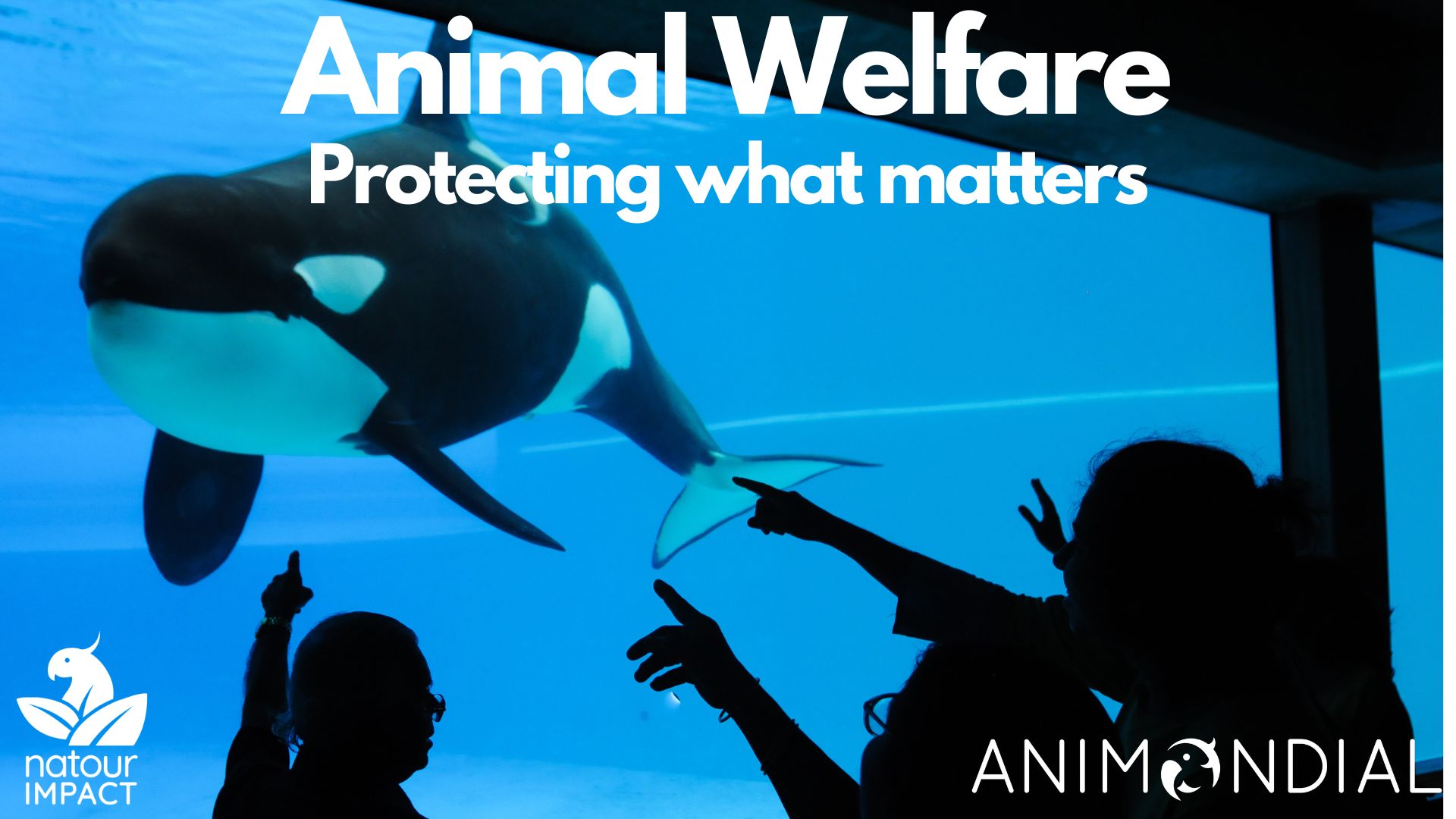
15 Jun Animal Welfare in Tourism – Protecting What Matters
Animal welfare is often seen as ‘just’ an ethical issue, but its importance extends far beyond preventing suffering. For tourism businesses, destinations and governments, protecting animal welfare is closely connected to biodiversity conservation, ecosystem resilience, community wellbeing, public health and long-term business success.
As tourism continues to grow, understanding these connections has never been more important.
Animal welfare is more than avoiding harm
Animals have physical, behavioural and psychological needs. When these needs are not met, welfare can be compromised through stress, fear, injury, disease or behavioural restrictions.
Welfare risks may arise from repeated disturbance, inappropriate environments, excessive handling, poor management practices or activities that exceed an animal’s ability to cope.
Importantly, poor welfare is not always immediately visible. Animals may appear calm or continue functioning while experiencing significant psychological stress.
Poor welfare has consequences
When welfare is compromised, animals may experience:
- Chronic stress and fear responses.
- Reduced immune function and increased disease susceptibility.
- Injury, fatigue and poor body condition.
- Abnormal or repetitive behaviours.
- Reduced reproductive success and parental care.
- Premature mortality.
These impacts affect not only individual animals but also the wider natural community by compromising their ability to fulfil their ecological roles and interact normally within their environment.
Animal welfare matters for biodiversity and healthy ecosystems
Wild animals are not passive components of nature. Through grazing, predation, pollination, seed dispersal and nutrient cycling, they help maintain healthy ecosystems and biodiversity.
When tourism activities repeatedly disturb animals or alter natural behaviours, the consequences can extend beyond individual welfare to population health, ecological processes and ecosystem resilience.
Protecting animal welfare therefore supports broader conservation goals and helps maintain the natural systems on which tourism depends.
Animal welfare matters for local communities
Many communities depend on animals for income, transport, cultural practices and tourism experiences.
Poor welfare can reduce health, working capacity and longevity, affecting both the animals and the people who depend on them.
Supporting good animal welfare helps strengthen livelihoods, protect cultural traditions and ensure tourism contributes positively to local communities rather than creating additional pressures.
Animal welfare matters for public health
Animal welfare is closely linked to animal health and disease risk.
Animals experiencing chronic stress, poor hygiene, overcrowding or inappropriate management may be more susceptible to illness. Where animals and people interact closely, poor welfare conditions can also increase the risk of zoonotic disease transmission.
This makes animal welfare a vital issue not only for conservation and ethics, but also for public health and risk management.
Animal welfare matters for tourism
For tourism businesses, poor animal welfare can result in:
- Reputational damage.
- Customer complaints and loss of trust.
- Operational and supply-chain risks.
- Regulatory and compliance challenges.
- Reduced destination appeal.
Conversely, businesses that understand and manage animal welfare risks are better positioned to deliver responsible tourism experiences, strengthen stakeholder confidence and support long-term sustainability goals.
For tourism professionals, this means embedding animal welfare into planning, procurement, operations, auditing and continuous improvement processes.
Good animal welfare supports healthy animals, healthy ecosystems and healthy communities.
Protecting animal welfare is not a niche issue. It is a fundamental component of responsible and sustainable tourism.
Daniel Turner, Director of Strategy
Find out more …
- Read Daniel’s article for TTG on the five key pledges for animal welfare.
- Check out our previous blog on how to create a meaningful animal welfare commitment for your business.
- In February the Global Sustainable Tourism Council (GSTC) published a report from its newly established Roundtable for Animal Welfare in Tourism – read the report here.
- Following the report, the GSTC is preparing a course of Responsible Animal Welfare Practices in partnership with ANIMONDIAL and Animal Wise. Developed and delivered by Daniel Turner and Dr Sara Torres Ortiz, the course will provide tourism professionals, destinations and auditors with practical, science-based guidance for assessing and managing animal welfare risks across tourism activities and supply chains. If you would be interested, why not book a meeting with Daniel to hear more?
- To see how ANIMONDIAL can help you identify and manage animal welfare risks in your products, activities or supply chain explore our Transform services or just get in touch.